Home / Guide
Is It Safe to Use a Debit Card for Bitcoin Transactions? A Comprehensive Guide
Discover the safety of using debit cards for Bitcoin transactions. Learn about benefits, risks, and best practices in our comprehensive guide.
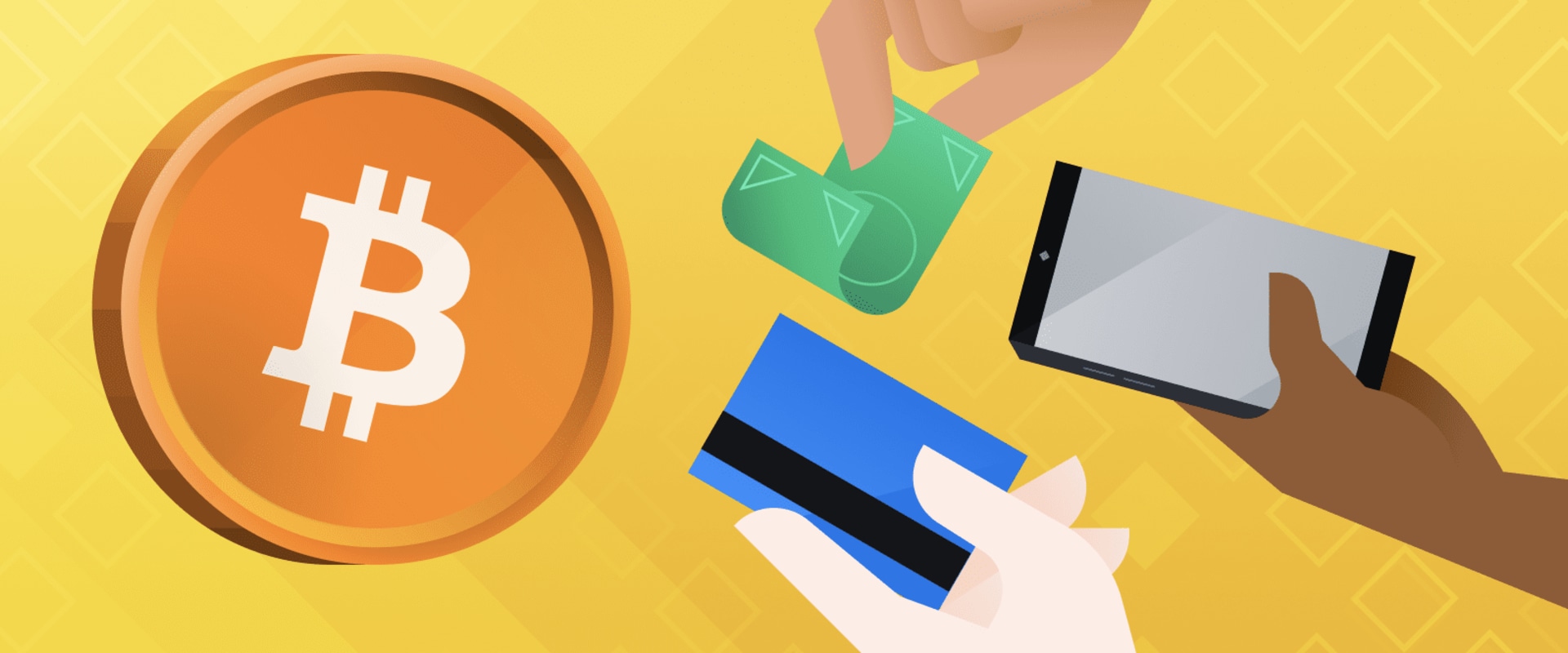
In the rapidly evolving world of finance, Bitcoin has emerged as a revolutionary digital currency that offers a decentralized alternative to traditional money. Unlike conventional currencies issued by governments, Bitcoin operates on a peer-to-peer network, allowing users to send and receive funds without the need for intermediaries like banks. This innovative approach not only enhances privacy but also provides users with greater control over their financial transactions. As Bitcoin gains traction, many individuals are exploring ways to integrate it into their everyday spending habits, leading to the rise of Bitcoin debit cards . Bitcoin debit cards serve as a bridge between the world of cryptocurrency and traditional payment methods.
These cards allow users to convert their Bitcoin holdings into fiat currency at the point of sale, making it easier to use digital assets for everyday purchases. With the convenience of a debit card, users can shop at millions of merchants worldwide that accept Visa or Mastercard, all while enjoying the benefits of cryptocurrency. This seamless integration is particularly appealing for those who want to leverage their Bitcoin investments without having to go through complex exchanges or lengthy withdrawal processes. However, as with any financial tool, understanding the implications of using a Bitcoin debit card is crucial. While these cards offer numerous advantages, including ease of use and accessibility, they also come with certain risks that users must be aware of. These cards allow users to convert their Bitcoin holdings into fiat currency at the point of sale, making it easier to use digital assets for everyday purchases. With the convenience of a debit card, users can shop at millions of merchants worldwide that accept Visa or Mastercard, all while enjoying the benefits of cryptocurrency. This seamless integration is particularly appealing for those who want to leverage their Bitcoin investments without having to go through complex exchanges or lengthy withdrawal processes. However, as with any financial tool, understanding the implications of using a Bitcoin debit card is crucial. While these cards offer numerous advantages, including ease of use and accessibility, they also come with certain risks that users must be aware of.
Issues such as security vulnerabilities, potential fees, and regulatory challenges can impact the overall safety of using a debit card for Bitcoin transactions. Therefore, it is essential for users to educate themselves about both the benefits and drawbacks before diving into this new financial landscape. As we delve deeper into the topic of using debit cards for Bitcoin transactions, we will explore various aspects such as security measures, transaction fees, and best practices for safeguarding your assets. By understanding these elements, you can make informed decisions that align with your financial goals while navigating the exciting world of cryptocurrency.
How Bitcoin Debit Cards Work
Bitcoin debit cards serve as a bridge between traditional fiat currencies and cryptocurrencies, allowing users to spend their Bitcoin and other digital assets in everyday transactions. Understanding how these cards function is essential for anyone looking to integrate cryptocurrency into their financial activities. At their core, Bitcoin debit cards operate similarly to standard debit cards.When a user makes a purchase, the card draws funds from their cryptocurrency wallet rather than a bank account. Here’s a breakdown of how this process typically works:
- Linking Your Wallet: To use a Bitcoin debit card, you first need to link it to your cryptocurrency wallet. This wallet can hold various cryptocurrencies, including Bitcoin, Ethereum, and others. The card provider will usually offer an app or online platform where you can manage your wallet and transactions.
-
Conversion of Funds: When you make a purchase using your Bitcoin debit card, the card provider automatically converts the necessary amount of cryptocurrency into the local fiat currency at the current exchange rate.
This conversion happens in real-time, ensuring that you can complete your transaction without any delays.
- Transaction Processing: Once the conversion is complete, the transaction is processed through the payment network (like Visa or Mastercard). This means that you can use your Bitcoin debit card anywhere that accepts these major credit card networks.
- Fees and Limits: It’s important to be aware of any fees associated with using a Bitcoin debit card. These can include transaction fees, conversion fees, and monthly maintenance fees. Additionally, some cards may have limits on how much cryptocurrency you can spend or withdraw in a given period.
Most providers implement robust security measures such as two-factor authentication (2FA) and encryption protocols to protect users' funds and personal information. Furthermore, many Bitcoin debit cards come with features like spending analytics and budgeting tools, helping users manage their cryptocurrency expenditures effectively. In summary, Bitcoin debit cards offer a convenient way to utilize cryptocurrencies for everyday purchases. By understanding how they work—from linking wallets to processing transactions—users can make informed decisions about integrating these innovative financial tools into their lives.
Benefits of Using a Debit Card for Bitcoin Transactions
Using a debit card for Bitcoin transactions offers a range of benefits that can enhance the overall experience for users. Here are some of the key advantages:-
Convenience: One of the most significant perks of using a bitcoin debit card is the convenience it provides.
With a debit card, you can easily make purchases at any merchant that accepts traditional debit cards. This means you don’t have to worry about converting your Bitcoin into fiat currency before making a transaction, streamlining the process significantly.
- Speed: Transactions made with a debit card are typically processed much faster than those involving bank transfers or other payment methods. This speed is particularly beneficial in the volatile cryptocurrency market, where prices can fluctuate rapidly. By using a debit card, you can secure your Bitcoin purchases at the current market rate without delay.
-
Rewards and Cash Back: Many crypto debit cards come with attractive rewards programs, including cash back on purchases.
For instance, some cards offer up to 1.5% cash back on every transaction, which is converted into Bitcoin and credited to your account. This feature not only incentivizes spending but also allows users to accumulate more cryptocurrency over time.
- Multi-Currency Support: A significant advantage of many bitcoin debit cards is their ability to support multiple cryptocurrencies and fiat currencies. This flexibility allows users to transact in various digital assets without needing to convert them into cash first, making it easier to manage diverse portfolios.
- Security Features: Most reputable bitcoin debit cards are backed by major financial networks like Visa or Mastercard, providing an added layer of security. These cards often come with features such as fraud protection and the ability to freeze or unfreeze your card instantly through a mobile app, ensuring that your funds remain safe.
-
No Need for Multiple Cards: With a crypto debit card, you can consolidate your spending into one card rather than juggling multiple payment methods.
This not only simplifies your financial management but also reduces the risk of losing track of various accounts and balances.
Risks and Concerns When Using Debit Cards for Bitcoin Purchases
Using a debit card for Bitcoin transactions can be convenient, but it also comes with a set of risks and concerns that users should be aware of. Understanding these risks is crucial for anyone considering this payment method. One of the primary concerns is the potential for fraud. When you link your debit card to a cryptocurrency exchange or wallet, you are providing sensitive financial information that could be targeted by cybercriminals.If the platform you are using does not have robust security measures in place, your card details could be compromised, leading to unauthorized transactions. Another significant risk is related to chargebacks. Unlike credit card transactions, which allow for chargebacks in cases of fraud or disputes, Bitcoin transactions are irreversible. Once a transaction is confirmed on the blockchain, it cannot be undone. This means that if you fall victim to a scam or if the service you paid for fails to deliver, you may have no recourse to recover your funds. Additionally, regulatory issues can pose challenges when using debit cards for Bitcoin purchases.
Different jurisdictions have varying laws regarding cryptocurrency transactions. In some regions, using a debit card to buy Bitcoin may not be permitted, or there may be strict regulations that could affect your ability to use your card freely. It’s essential to research the legal landscape in your area before proceeding. Moreover, there are security issues associated with Bitcoin transactions themselves. The decentralized nature of cryptocurrencies means that once you send Bitcoin, it is out of your control.
If you mistakenly send funds to the wrong address or fall victim to phishing scams, recovering those funds can be nearly impossible. To mitigate these risks, consider the following best practices:
- Use reputable exchanges: Always choose well-established platforms with strong security protocols.
- Enable two-factor authentication: This adds an extra layer of security to your account.
- Monitor your accounts: Regularly check your bank and crypto accounts for any unauthorized activity.
- Educate yourself: Stay informed about common scams and security practices in the cryptocurrency space.
Choosing a Reliable Bitcoin Debit Card Provider
When it comes to selecting a reliable Bitcoin debit card provider, there are several critical factors to consider. With the growing popularity of cryptocurrencies, numerous options are available, making it essential to choose wisely to ensure your funds are secure and accessible.1.Fees and Charges
- Examine the fee structure of each card. Common fees include transaction fees, monthly maintenance fees, and ATM withdrawal fees.
Some providers may offer low or no fees for certain transactions, while others may charge significantly.
- Look for hidden charges that may not be immediately apparent. Reading the fine print can save you from unexpected costs down the line.
2.Security Features
- Security should be a top priority when choosing a Bitcoin debit card. Ensure that the provider employs robust security measures such as two-factor authentication (2FA), encryption protocols, and fraud detection systems.
- Check if the card is insured against theft or loss. This can provide peace of mind knowing that your funds are protected in case of an unfortunate event.
3.Customer Support
- A responsive customer support team is crucial for resolving any issues that may arise.
Look for providers that offer multiple channels of communication, such as live chat, email, and phone support.
- Read user reviews to gauge the quality of customer service. A provider with consistently positive feedback regarding their support is often a good choice.
4.User Reviews and Reputation
- Research user reviews on independent platforms to get an unbiased view of the provider's reputation. Pay attention to recurring themes in reviews, such as ease of use, reliability, and customer service experiences.
- A well-established provider with a solid track record is generally more trustworthy than newer entrants in the market.
5.Compatibility and Usability
- Ensure that the Bitcoin debit card is compatible with your preferred cryptocurrency wallets and exchanges. Some cards may only support specific cryptocurrencies or require you to use their proprietary wallet.
- The user interface should be intuitive and easy to navigate, allowing you to manage your funds without hassle.
How to Safely Use Your Debit Card for Bitcoin Transactions
Using a debit card for Bitcoin transactions can be a convenient way to access cryptocurrency, but it also comes with its own set of risks.To ensure that your transactions are safe and secure, consider the following best practices:
- Choose a Reputable Exchange: Always use well-known and trusted cryptocurrency exchanges when linking your debit card. Look for platforms with strong security measures, positive user reviews, and a solid reputation in the industry.
- Enable Two-Factor Authentication (2FA): Protect your exchange account by enabling 2FA. This adds an extra layer of security by requiring a second form of verification, such as a code sent to your mobile device, in addition to your password.
- Monitor Your Transactions: Regularly check your transaction history for any unauthorized activity. If you notice anything suspicious, report it immediately to your bank and the exchange.
-
Use a Virtual Debit Card: Consider using a virtual debit card specifically designed for online transactions.
These cards can provide an additional layer of security by allowing you to generate temporary card numbers for each transaction.
- Limit Your Spending: Set a spending limit on your debit card to minimize potential losses in case of fraud. This can help you manage your risk while still allowing you to make Bitcoin purchases.
- Keep Your Software Updated: Ensure that your devices and applications are up-to-date with the latest security patches. This helps protect against vulnerabilities that could be exploited by hackers.
- Avoid Public Wi-Fi: When making Bitcoin transactions, avoid using public Wi-Fi networks. Instead, use a secure and private internet connection to reduce the risk of interception by malicious actors.
Remember that while convenience is important, prioritizing security will help protect your funds and personal information in the ever-evolving world of cryptocurrency.
Frequently Asked Questions About Bitcoin Debit Cards
As the popularity of cryptocurrencies continues to rise, many users have questions about the practicality and safety of using bitcoin debit cards. Below are some frequently asked questions that can help clarify common concerns and enhance your understanding of this payment method.What is a Bitcoin debit card?
A bitcoin debit card is a payment card that allows users to spend their cryptocurrency holdings directly at merchants that accept traditional debit or credit cards. These cards convert your Bitcoin or other cryptocurrencies into fiat currency at the point of sale, making it easy to use digital assets in everyday transactions.Are Bitcoin debit cards safe to use?
Using a bitcoin debit card can be safe, provided you choose a reputable provider. Look for cards that offer strong security features such as two-factor authentication, encryption, and fraud protection.Additionally, ensure that the card is issued by a well-known financial institution or payment network like Visa or Mastercard.
Can I use my Bitcoin debit card anywhere?
Most bitcoin debit cards can be used anywhere that accepts Visa or Mastercard. However, it's important to note that some merchants may not accept cryptocurrency payments, especially in regions where cryptocurrencies are restricted. Always check with the merchant beforehand if you're unsure.What fees should I expect with a Bitcoin debit card?
Fees can vary significantly between different bitcoin debit cards. Common fees include:- Transaction fees: A small fee may be charged for each transaction.
- ATM withdrawal fees: Fees may apply when withdrawing cash from ATMs.
- Monthly maintenance fees: Some cards charge a monthly fee for account maintenance.
How do I load my Bitcoin onto the debit card?
You can typically load your bitcoin debit card by transferring Bitcoin from your cryptocurrency wallet to the card's associated account.This process usually involves linking your wallet to the card provider's platform and following their instructions for loading funds.
What happens if my Bitcoin debit card is lost or stolen?
If your bitcoin debit card is lost or stolen, contact your card issuer immediately to report it. Most reputable providers will freeze your account and issue a replacement card to prevent unauthorized transactions. It's crucial to act quickly to minimize potential losses. By addressing these common questions, we hope to provide clarity on the use of bitcoin debit cards, helping you make informed decisions about integrating cryptocurrency into your daily financial activities.Conclusion: Is It Safe to Use a Debit Card for Bitcoin Transactions?
In conclusion, the question of whether it is safe to use a debit card for Bitcoin transactions is multifaceted and requires careful consideration. While using a bitcoin debit card can offer convenience and accessibility, it is essential to weigh the associated risks and benefits. One of the primary advantages of utilizing a debit card for Bitcoin transactions is the ease of access it provides.Many reputable exchanges and platforms allow users to link their debit cards, enabling quick purchases of Bitcoin without the need for complex bank transfers. This streamlined process can be particularly appealing for those new to cryptocurrency. However, safety should always be a top priority. When using a debit card, it is crucial to ensure that you are dealing with a trustworthy exchange or service provider. Look for platforms that have robust security measures in place, such as two-factor authentication and encryption protocols.
Additionally, consider the reputation of the bitcoin debit card issuer; established companies with positive user reviews are generally safer options. Another important factor to consider is the potential for fraud. Debit cards are linked directly to your bank account, which means that any unauthorized transactions could lead to immediate financial loss. Unlike credit cards, which often offer better fraud protection, debit cards may not provide the same level of recourse in case of disputes. Therefore, it is advisable to monitor your transactions closely and report any suspicious activity promptly. Furthermore, while many merchants accept bitcoin debit cards, there may be jurisdictions where cryptocurrency transactions are restricted or not recognized.
This limitation can affect your ability to use your card freely in certain locations. Always check local regulations regarding cryptocurrency usage before making purchases. In summary, using a debit card for Bitcoin transactions can be safe if you take the necessary precautions. Ensure you choose reputable platforms, stay vigilant against fraud, and remain aware of local laws regarding cryptocurrency. By doing so, you can enjoy the benefits of quick and easy access to Bitcoin while minimizing potential risks. Ultimately, as the landscape of cryptocurrency continues to evolve, staying informed about safety practices will empower you to make confident decisions regarding your financial transactions in the digital realm.