Home / Guide
Withdrawing Cash from ATMs Using a Bitcoin Debit Card: A Comprehensive Guide
Learn how to withdraw cash from ATMs using a Bitcoin debit card, including tips on fees, exchange rates, and security considerations.
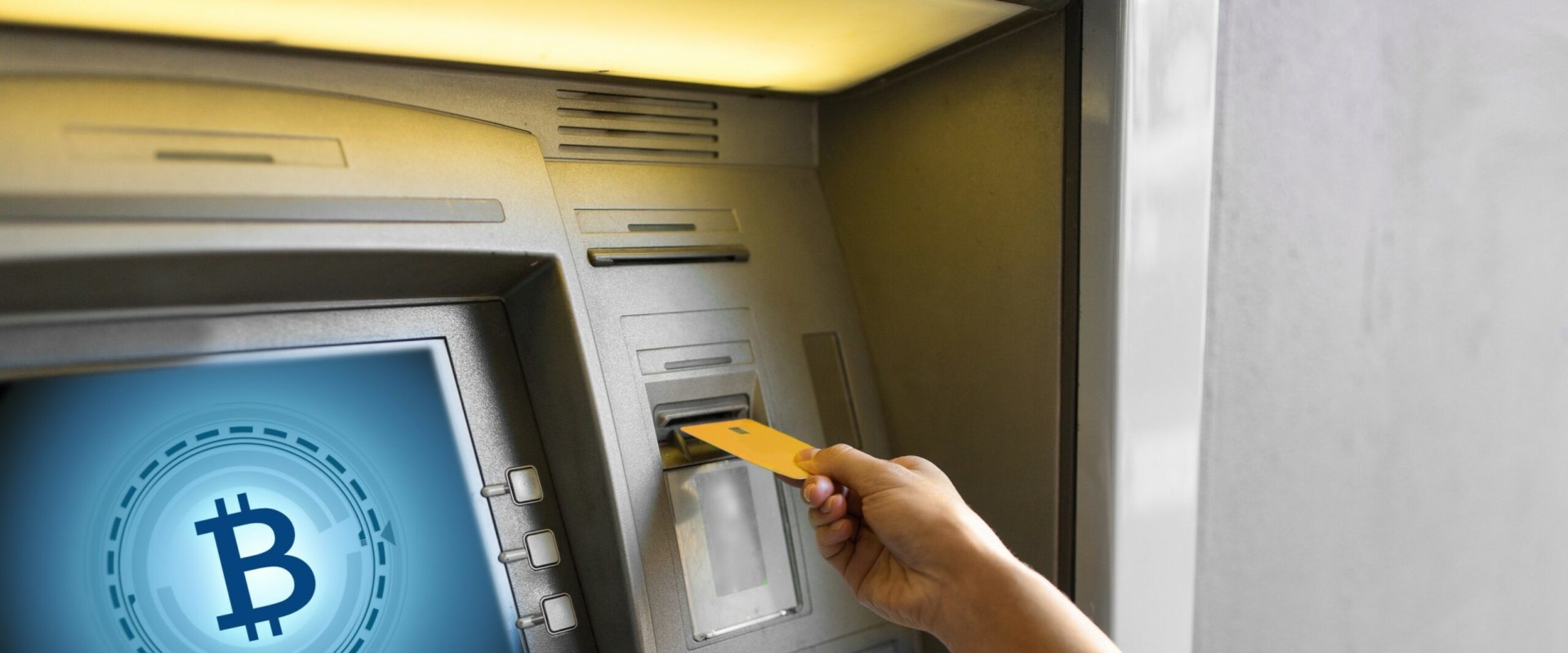
In the rapidly evolving world of cryptocurrency, Bitcoin debit cards have emerged as a revolutionary tool that bridges the gap between digital assets and everyday spending. These cards function similarly to traditional debit cards, allowing users to access their Bitcoin holdings and convert them into fiat currency for transactions. But what exactly is a Bitcoin debit card? At its core, it is a payment card that enables users to spend their Bitcoin directly at merchants or withdraw cash from ATMs, making it an essential tool for those who wish to utilize their cryptocurrency in the real world. Understanding what happens when you take out a cash advance can help users navigate the financial implications of using these cards. The functionality of a Bitcoin debit card is quite straightforward. have emerged as a revolutionary tool that bridges the gap between digital assets and everyday spending. These cards function similarly to traditional debit cards, allowing users to access their Bitcoin holdings and convert them into fiat currency for transactions. But what exactly is a Bitcoin debit card? At its core, it is a payment card that enables users to spend their Bitcoin directly at merchants or withdraw cash from ATMs, making it an essential tool for those who wish to utilize their cryptocurrency in the real world. Understanding what happens when you take out a cash advance can help users navigate the financial implications of using these cards. The functionality of a Bitcoin debit card is quite straightforward.
When you load your card with Bitcoin, the card provider automatically converts your cryptocurrency into the local currency at the point of sale or ATM withdrawal. This process typically involves a small fee, but it offers unparalleled convenience for users who want to avoid the hassle of manually converting their Bitcoin into cash. With a Bitcoin debit card, you can shop online, dine out, or even withdraw cash from ATMs that accept Visa or Mastercard, all while using your digital assets. The benefits of using a Bitcoin debit card are numerous. Firstly, they provide an easy way to spend Bitcoin without needing to navigate complex exchanges or wallets.
This accessibility is particularly appealing for those new to cryptocurrency. Additionally, many Bitcoin debit cards come with features such as spending tracking, rewards programs, and enhanced security measures like two-factor authentication. These features not only enhance user experience but also ensure that your funds are protected while you enjoy the flexibility of using your Bitcoin in everyday transactions. As the adoption of cryptocurrencies continues to grow, understanding how Bitcoin debit cards work and their advantages becomes increasingly important. They represent a significant step towards mainstream acceptance of digital currencies and offer users a practical solution for integrating their crypto assets into daily life.
How to Use a Bitcoin Debit Card at an ATM
Using a Bitcoin debit card at an ATM can be a straightforward process, but it requires some preparation and understanding of how the transaction works.Here’s a step-by-step guide to help you navigate the ATM withdrawal process with your Bitcoin debit card.
1.Ensure Your Card is Activated
Before attempting to withdraw cash, make sure your Bitcoin debit card is activated. This usually involves following the instructions provided by your card issuer, which may include verifying your identity and linking your cryptocurrency wallet.
2.Locate a Compatible ATM
Not all ATMs support Bitcoin debit cards. Look for ATMs that display the Visa or Mastercard logo, as most Bitcoin debit cards are linked to these networks. You can use online tools or apps to find nearby ATMs that accept your card.
3.Prepare Your PIN
Your Bitcoin debit card will have a Personal Identification Number (PIN) that you need to enter during the transaction.
Make sure you have this number handy, as it is essential for completing the withdrawal.
4.Insert Your Card
At the ATM, insert your Bitcoin debit card into the card slot. The machine will read your card and prompt you to enter your PIN.
5.Select Withdrawal Option
Once you’ve entered your PIN, navigate through the ATM menu to select the option for cash withdrawal. You may also need to choose the account type associated with your card, typically "checking" or "savings."
6.Choose Withdrawal Amount
Select how much cash you wish to withdraw. Be aware that there may be limits on how much you can take out in a single transaction or within a 24-hour period, depending on your card issuer and the ATM's settings.
7.Confirm Transaction
The ATM will ask you to confirm the transaction details before proceeding.
Review the information carefully, as this is your last chance to make any changes.
8.Collect Your Cash and Receipt
If everything is in order, the ATM will dispense your cash and provide a receipt for the transaction. Keep this receipt for your records, as it may be useful for tracking expenses or resolving any issues later.
9.Monitor Your Balance
After completing the withdrawal, check your Bitcoin debit card balance through your mobile app or online account to ensure that the transaction has been processed correctly and that you have sufficient funds remaining.
This process allows you to access cash conveniently using your Bitcoin debit card, making it easier to manage your finances while utilizing cryptocurrency in everyday transactions.
The Mechanics of Cash Withdrawals with Bitcoin Debit Cards
When it comes to withdrawing cash from an ATM using a Bitcoin debit card, understanding the mechanics behind the conversion of cryptocurrency to fiat currency is crucial. The process typically involves several steps, starting with the cardholder's balance in Bitcoin and ending with the cash dispensed from the ATM. Initially, when you attempt to withdraw cash, the Bitcoin debit card provider automatically converts your Bitcoin into the local fiat currency at the current exchange rate. This conversion is facilitated by the card issuer, which often has partnerships with payment processors that handle cryptocurrency transactions.However, it’s important to note that the exchange rate offered by these providers may not always align with market rates, potentially resulting in a less favorable conversion for the user.
Understanding Exchange Rates
The exchange rates for Bitcoin withdrawals can vary significantly between different Bitcoin debit card providers. Some may offer competitive rates that are close to market values, while others might impose a markup. This markup is essentially a fee for the convenience of instant conversion and access to cash. Therefore, before choosing a card, it’s wise to compare the exchange rates and understand how they impact your overall withdrawal amount.Fees Associated with Withdrawals
In addition to exchange rate discrepancies, users should also be aware of various fees associated with ATM withdrawals using a Bitcoin debit card.These fees can include:
- ATM Withdrawal Fees: Many ATMs charge a fee for cash withdrawals, which can range from a few dollars to a percentage of the transaction amount.
- Conversion Fees: The card issuer may charge a fee for converting Bitcoin to fiat currency during the withdrawal process.
- Network Fees: Depending on network congestion and transaction volume, additional fees may apply when processing Bitcoin transactions.
Comparing Bitcoin Debit Cards: Features and Providers
When it comes to choosing a Bitcoin debit card, users are presented with a variety of options, each offering unique features and benefits. Understanding these differences is crucial for making an informed decision. Below, we compare some of the leading Bitcoin debit card providers based on their features, advantages, and potential drawbacks.1.Coinbase Card
The Coinbase Card is one of the most popular options available.It allows users to spend their cryptocurrency directly from their Coinbase account. Key features include:
- Instant Conversion: The card automatically converts Bitcoin and other cryptocurrencies into fiat currency at the point of sale.
- Global Acceptance: Users can use the card anywhere Visa is accepted, making it highly versatile.
- Mobile App Integration: The accompanying app provides real-time spending notifications and tracking.
2.Wirex
Wirex
offers a user-friendly experience with a focus on both spending and earning rewards. Its features include:
- Cryptoback Rewards: Users earn up to 1.5% back in Bitcoin on all purchases.
- Multi-Currency Support: The card supports multiple cryptocurrencies and fiat currencies.
- No Monthly Fees: Wirex does not charge monthly maintenance fees, making it cost-effective for regular users.
3.BitPay Card
The BitPay Card is another strong contender in the market, particularly for those who prioritize security and ease of use. Its notable features include:- No Exchange Fees: Users can load their cards with Bitcoin without incurring exchange fees.
- Direct Deposit Options: Users can receive their paychecks directly onto the card.
- User-Friendly Dashboard: The BitPay app allows for easy management of funds and transactions.
4.Paycent
Paycent
, based in Singapore, offers a unique approach by allowing users to convert their cryptocurrency into fiat at the time of purchase.
Key features include:
- Instant Conversion: Similar to Coinbase, Paycent converts crypto to fiat instantly during transactions.
- Loyalty Rewards: Users can earn rewards for using the card frequently.
- User-Friendly Interface: The app is designed for easy navigation and transaction tracking.
Security Considerations When Using Bitcoin Debit Cards
When it comes to using Bitcoin debit cards, security is a paramount concern for users. As these cards bridge the gap between cryptocurrency and traditional finance, understanding the security measures and potential risks is essential for protecting your funds.Understanding the Risks
While Bitcoin debit cards offer convenience, they also come with inherent risks. One of the primary concerns is the potential for hacking.
Cybercriminals often target cryptocurrency platforms, and if your card provider's system is compromised, your funds could be at risk. Additionally, if you lose your card or it gets stolen, unauthorized transactions could occur if proper security measures are not in place.
Protecting Your Funds
To safeguard your assets while using a Bitcoin debit card, consider the following tips:
- Choose a Reputable Provider: Research and select a well-established Bitcoin debit card provider with a strong track record in security. Look for features such as two-factor authentication (2FA) and encryption protocols.
- Enable Two-Factor Authentication: Always enable 2FA on your account. This adds an extra layer of security by requiring a second form of verification when accessing your account or making transactions.
-
Monitor Transactions Regularly: Keep an eye on your transaction history.
Regular monitoring can help you quickly identify any unauthorized transactions and report them to your card provider.
- Use Strong Passwords: Create complex passwords that are difficult to guess. Avoid using easily accessible personal information and consider using a password manager to keep track of your credentials.
- Limit Card Balances: Only load the amount of Bitcoin you need onto your debit card. Keeping larger amounts in a secure wallet rather than on the card can minimize potential losses in case of theft or fraud.
Staying Informed
The landscape of cryptocurrency is constantly evolving, and so are the threats associated with it. Stay informed about the latest security practices and updates from your Bitcoin debit card provider.
Regularly check for software updates and security patches to ensure that you are using the most secure version of their services. In conclusion, while Bitcoin debit cards provide an innovative way to access funds, users must remain vigilant about security. By understanding the risks and implementing protective measures, you can enjoy the benefits of these cards while minimizing potential threats to your financial assets.
Frequently Asked Questions About Bitcoin Debit Cards and ATM Withdrawals
As the popularity of cryptocurrencies continues to rise, many users are curious about the practical applications of their digital assets, particularly when it comes to spending and accessing cash. One common question that arises is whether it is possible to withdraw cash from an ATM using a Bitcoin debit card.Can I Withdraw Cash from an ATM Using a Bitcoin Debit Card?
Yes, you can withdraw cash from an ATM using a Bitcoin debit card. These cards function similarly to traditional debit cards, allowing users to access their cryptocurrency holdings and convert them into fiat currency at ATMs that support the card's network, typically Visa or Mastercard.
When you initiate a withdrawal, the card provider automatically converts your Bitcoin into the local currency at the current exchange rate, which may include a small fee for this service.
However, it’s important to note that not all ATMs support Bitcoin debit cards. Users should look for ATMs that specifically indicate compatibility with their card provider. Additionally, some ATMs may have withdrawal limits or fees that can vary significantly based on location and provider.
Limitations of Bitcoin Debit Cards
- Exchange Rates: The conversion rates offered by Bitcoin debit cards may not be as favorable as those found on cryptocurrency exchanges. Users should be aware of this when planning withdrawals.
- Withdrawal Limits: Many Bitcoin debit cards impose daily or monthly withdrawal limits, which can restrict access to larger amounts of cash.
- Availability: Not all ATMs accept Bitcoin debit cards, so users may need to locate specific machines that do.
- Fees: Transaction fees can vary widely between different card providers and ATMs, impacting the overall cost of accessing cash.
Alternatives to Bitcoin Debit Cards
If the limitations of Bitcoin debit cards are a concern, there are several alternatives worth considering:
- Cryptocurrency Exchanges: Users can sell their Bitcoin on exchanges and transfer the funds to a traditional bank account for easier access to cash.
- Peer-to-Peer Transactions: Platforms like LocalBitcoins allow users to sell their Bitcoin directly to other individuals in exchange for cash.
- Bitcoin ATMs: Some Bitcoin ATMs allow users to sell their Bitcoin for cash directly without needing a debit card.
Conclusion: The Future of Cash Withdrawals with Bitcoin Debit Cards
As we look towards the future of cash withdrawals using Bitcoin debit cards, it is essential to reflect on the significant advancements and the potential challenges that lie ahead.The integration of cryptocurrency into everyday financial transactions has already begun to reshape how we think about money, and Bitcoin debit cards are at the forefront of this transformation. One of the most notable advantages of using a Bitcoin debit card is the convenience it offers. Users can easily convert their digital assets into cash at ATMs worldwide, making it simpler to access funds without needing to navigate complex exchanges. This ease of use is likely to attract more individuals to adopt cryptocurrency as a viable alternative to traditional banking systems. However, as with any emerging technology, there are hurdles to overcome. The volatility of Bitcoin prices can impact the amount of cash users receive when withdrawing from ATMs.
Additionally, transaction fees associated with converting Bitcoin to fiat currency can vary significantly between providers, which may deter some users from utilizing these cards for cash withdrawals. Moreover, regulatory frameworks surrounding cryptocurrencies are still evolving. Governments around the world are grappling with how to classify and regulate digital currencies, which could influence the future availability and functionality of Bitcoin debit cards. As regulations become clearer, we may see an increase in consumer confidence and wider acceptance of these financial tools. In conclusion, while Bitcoin debit cards currently provide a unique solution for accessing cash from ATMs, their future will depend on several factors including technological advancements, regulatory developments, and market acceptance. As the landscape continues to evolve, it is crucial for users to stay informed about their options and choose providers that offer transparency and favorable terms.
The journey towards a more integrated financial ecosystem is just beginning, and Bitcoin debit cards are poised to play a significant role in that evolution.