Home / Guide
Understanding Transaction Limits for Bitcoin Debit Cards
Discover the transaction limits for Bitcoin debit cards, including daily spending and ATM withdrawal restrictions, to manage your crypto finances effectively.
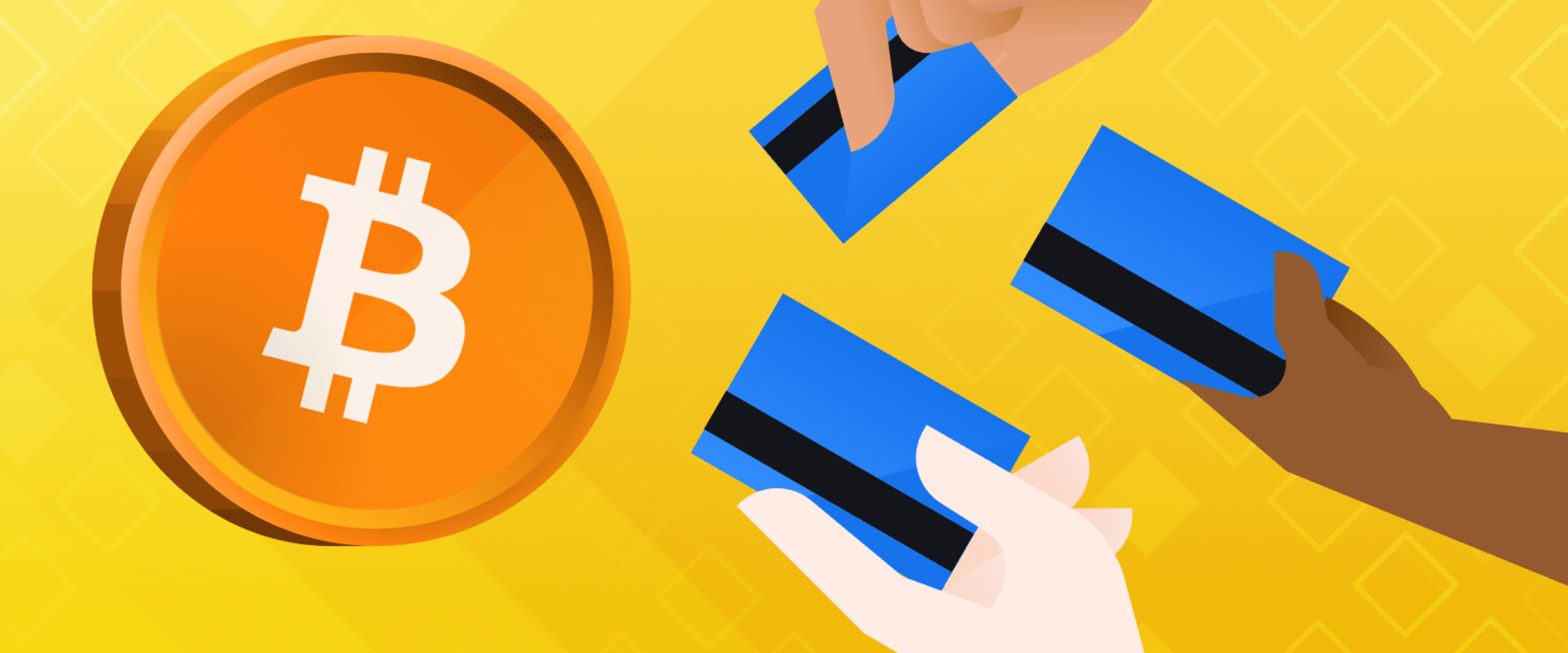
In recent years, the rise of cryptocurrency has transformed the financial landscape, leading to innovative solutions that bridge the gap between traditional banking and digital currencies. One such solution is the Bitcoin debit card, a financial tool that allows users to spend their Bitcoin and other cryptocurrencies in everyday transactions. These cards function similarly to standard debit cards, but instead of being linked to a bank account, they are connected to a cryptocurrency wallet. This connection enables users to convert their digital assets into fiat currency at the point of sale, making it easier than ever to utilize cryptocurrencies for daily purchases. The appeal of Bitcoin debit cards lies in their convenience and versatility.
As more merchants begin to accept cryptocurrency as a form of payment, having a debit card that can seamlessly convert Bitcoin into local currency opens up a world of possibilities for consumers. Whether dining at a restaurant, shopping at retail stores, or making online purchases, these cards provide a straightforward way to leverage digital assets without the need for complex exchanges or conversions. Additionally, many Bitcoin debit cards come with added benefits such as cashback rewards, lower transaction fees, and enhanced security features. As the popularity of cryptocurrencies continues to grow, so does the demand for practical tools that facilitate their use in everyday life. The benefits of Bitcoin debit cards extend beyond mere convenience; they also empower users by providing greater control over their finances.
With these cards, individuals can manage their spending in real-time, track their transactions easily, and even set spending limits to help maintain financial discipline. This integration of cryptocurrency into daily financial activities not only enhances user experience but also contributes to the broader acceptance of digital currencies in mainstream commerce.
How Bitcoin Debit Cards Work
Bitcoin debit cards serve as a bridge between the world of cryptocurrency and traditional fiat currency, allowing users to spend their digital assets in everyday transactions. The mechanics behind these cards are designed to simplify the process of using Bitcoin for purchases, making it accessible to a broader audience. When a user wants to make a purchase using a Bitcoin debit card, the card operates similarly to a standard debit card linked to a bank account. However, instead of drawing funds from a bank balance, it draws from the user's cryptocurrency wallet.Here’s how the process typically works:
- Loading Funds: Users first need to load their Bitcoin onto the card. This is usually done through an app or online platform provided by the card issuer. Users can transfer Bitcoin from their wallets to the card's associated account.
- Conversion Process: When a transaction is initiated, the Bitcoin debit card provider automatically converts the necessary amount of Bitcoin into fiat currency at the current market rate. This conversion happens in real-time, ensuring that users can make purchases without worrying about price fluctuations.
-
Transaction Completion: Once the conversion is complete, the fiat equivalent is used to settle the transaction with the merchant.
This allows users to pay for goods and services at any location that accepts traditional debit or credit cards.
Types of Bitcoin Debit Cards Available
As the popularity of cryptocurrencies continues to rise, so does the variety of Bitcoin debit cards available to consumers.These cards allow users to spend their digital assets in a way that is similar to traditional banking methods. Below, we explore the different types of Bitcoin debit cards, highlighting their features, fees, and usability to help you make an informed decision.
1.Prepaid Bitcoin Debit Cards
Prepaid Bitcoin debit cards are one of the most common types available. Users can load their cards with Bitcoin or other cryptocurrencies, which can then be converted into fiat currency at the point of sale. This type of card is ideal for those who want to control their spending and avoid overspending.
Popular options include:
- Wirex Card: Offers a seamless conversion between crypto and fiat, with low fees and a user-friendly app.
- BitPay Card: Allows users to load Bitcoin directly onto the card and spend it anywhere Mastercard is accepted.
- Crypto.com Visa Card: Provides various tiers with different benefits, including cashback rewards and no annual fees.
2.Crypto-Linked Debit Cards
These cards are linked to a cryptocurrency wallet rather than being prepaid. Users can spend directly from their wallet balance, which offers more flexibility but may come with higher transaction fees. Notable examples include:
- Binance Card: Connects directly to your Binance account, allowing for easy spending of your crypto assets.
- Nexo Card: Lets users spend their crypto without selling it, providing instant credit based on their holdings.
3.Multi-Currency Debit Cards
Multi-currency debit cards support various cryptocurrencies and fiat currencies, making them versatile for international travelers or those who hold multiple digital assets. These cards often come with competitive exchange rates and low fees. Multi-currency debit cards support various cryptocurrencies and fiat currencies, making them versatile for international travelers or those who hold multiple digital assets. These cards often come with competitive exchange rates and low fees.
Examples include:
- Revolut Card: Offers a wide range of currencies and allows users to exchange crypto at interbank rates.
- Paxful Card: Supports multiple cryptocurrencies and provides a straightforward user experience.
Understanding Transaction Limits
When it comes to using a Bitcoin debit card, understanding the transaction limits is crucial for effective financial management. These limits can vary significantly depending on the card provider, the type of account you hold, and even your geographical location. Here, we will delve into the various aspects of transaction limits associated with Bitcoin debit cards, including daily spending limits, ATM withdrawal restrictions, and other relevant factors.Daily Spending Limits
Most Bitcoin debit cards come with a predefined daily spending limit.
This limit dictates how much you can spend in a single day using your card. For instance, some providers may set a daily limit of $1,000, while others might allow up to $5,000 or more. These limits are often influenced by factors such as:
- Account Verification: Higher spending limits are typically available to users who have completed extensive verification processes.
- Card Type: Premium cards may offer higher limits compared to standard options.
- User History: Long-term users with a good transaction history may be eligible for increased limits.
ATM Withdrawal Limits
In addition to spending limits, Bitcoin debit cards also impose restrictions on ATM withdrawals. These limits can vary widely based on the card issuer and the specific ATM network being used.
Common withdrawal limits range from $200 to $1,000 per day. Factors affecting these limits include:
- ATM Network: Different networks may have varying withdrawal capabilities.
- Geographical Location: Some regions may have stricter regulations that affect withdrawal amounts.
- Card Provider Policies: Each provider has its own set of rules regarding ATM withdrawals.
Additional Restrictions
Beyond daily spending and withdrawal limits, there are other restrictions that users should be aware of when using a Bitcoin debit card. These may include:
- Merchant Restrictions: Some merchants may not accept cryptocurrency payments or may impose their own limits.
- Currency Conversion Fees: When converting Bitcoin to fiat currency for purchases, additional fees may apply.
- Transaction Fees: Each transaction might incur fees that can affect your overall spending capacity.
Factors Influencing Transaction Limits
When it comes to using a Bitcoin debit card, several factors play a crucial role in determining the transaction limits imposed on users.Understanding these factors can help users navigate their spending and make informed decisions about their cryptocurrency transactions.
1.Security Measures
One of the primary reasons for transaction limits on Bitcoin debit cards is the implementation of security measures designed to protect users from fraud and unauthorized access. Financial institutions and card issuers often set daily and monthly limits to minimize potential losses in case of theft or hacking. These limits can vary significantly between different card providers, with some offering higher limits for verified users.
2.Regulatory Compliance
Another significant factor influencing transaction limits is regulatory compliance. Financial regulations vary by country, and card issuers must adhere to local laws regarding cryptocurrency transactions.
This compliance often includes Know Your Customer (KYC) and Anti-Money Laundering (AML) regulations, which require users to verify their identity before they can access higher transaction limits. As a result, users who complete these verification processes may enjoy increased spending capabilities.
3.User Verification Processes
The level of user verification also directly impacts transaction limits. Most Bitcoin debit card providers require users to submit personal information, such as identification documents and proof of address, to establish their identity. Users who provide comprehensive documentation may be granted higher limits compared to those who opt for minimal verification.
This tiered approach helps card issuers manage risk while providing flexibility for responsible users.
4.Card Type and Features
The type of Bitcoin debit card being used can also influence transaction limits. Some cards are designed specifically for casual users with lower spending needs, while others cater to frequent traders or high-volume spenders. Premium cards may offer higher limits along with additional features such as cashback rewards or lower fees, making them more appealing for active cryptocurrency users.
5.Market Conditions
Lastly, market conditions can affect transaction limits as well. During periods of high volatility in the cryptocurrency market, issuers may impose stricter limits to mitigate risk exposure.
This precaution helps protect both the issuer and the user from sudden market fluctuations that could lead to significant financial losses. In summary, understanding the various factors that influence transaction limits on Bitcoin debit cards—including security measures, regulatory compliance, user verification processes, card types, and market conditions—can empower users to make better decisions regarding their cryptocurrency spending.
Comparing Limits Across Different Providers
When it comes to choosing a Bitcoin debit card, understanding the transaction limits imposed by different providers is crucial for users who want to maximize their spending power. Each provider has its own set of rules and limits, which can significantly affect how you use your card. Below, we compare some of the most popular Bitcoin debit card providers based on their transaction limits and unique features.1.Wirex
Wirex is known for its user-friendly interface and competitive transaction limits. Users can typically withdraw up to $1,500 per day from ATMs and make purchases up to $5,000 per transaction.Additionally, Wirex offers a unique feature that allows users to convert their cryptocurrency into fiat currency instantly at the point of sale, making it a versatile option for everyday transactions.
2.Binance
Binance's debit card is another strong contender in the market. It allows users to spend up to $8,000 per day, with a maximum transaction limit of $2,500. One of the standout features of the Binance card is its cashback program, which rewards users with up to 8% back on purchases made with the card. This makes it an attractive option for those who frequently use their cards for larger transactions.3.Bitwala
Bitwala offers a more streamlined approach with lower transaction limits compared to its competitors.Users can withdraw up to $1,000 daily and spend a maximum of $1,500 per transaction. However, Bitwala compensates for these lower limits by providing free account management and no hidden fees, making it an appealing choice for budget-conscious users.
4.Crypto.com
Crypto.com’s debit card is designed for high-volume users, allowing withdrawals of up to $2,000 per day and purchases up to $10,000 per transaction. The card also features a tiered rewards system that increases cashback percentages based on the amount of CRO staked by the user. This makes it an excellent choice for those looking to maximize their benefits while spending.5.MCO Visa Card
The MCO Visa Card offers flexible transaction limits that vary based on the user's staking level.Users can enjoy daily withdrawal limits ranging from $1,000 to $5,000 and purchase limits that can reach as high as $10,000 per transaction. The card also provides additional perks such as free Spotify and Netflix subscriptions for higher-tier users. In summary, when comparing Bitcoin debit card providers, it's essential to consider not only the transaction limits but also any additional features that may enhance your experience. Whether you prioritize high spending limits or cashback rewards, there is likely a provider that meets your specific needs.
Tips for Managing Your Bitcoin Debit Card Transactions
Managing your Bitcoin debit card transactions effectively is crucial for maximizing its benefits while minimizing potential pitfalls. Here are some practical tips to help you navigate your spending and keep your finances in check.1.Set a Budget
Before you start using your Bitcoin debit card, it’s essential to establish a clear budget.
Determine how much you can afford to spend each month on various categories such as groceries, entertainment, and bills. This will help you avoid overspending and ensure that you are using your cryptocurrency wisely.
2.Track Your Expenses
Keeping a close eye on your transactions is vital. Use budgeting apps or spreadsheets to log every purchase made with your Bitcoin debit card. This practice not only helps you stay within your budget but also allows you to identify spending patterns and areas where you can cut back.
3.Understand Transaction Fees
Each time you use your Bitcoin debit card, there may be associated fees, including transaction fees, conversion fees, and ATM withdrawal fees.
Familiarize yourself with these costs by reviewing the terms and conditions provided by your card issuer. Knowing the fees will help you make informed decisions about when and where to use your card.
4.Use Alerts and Notifications
Many Bitcoin debit card providers offer mobile apps that allow you to set up alerts for transactions. Enable notifications for every purchase made with your card to stay updated on your spending in real-time. This feature can help prevent unauthorized transactions and keep you aware of your financial status.
5.Take Advantage of Rewards
If your Bitcoin debit card offers rewards or cashback for purchases, make sure to utilize these benefits.
Some cards provide incentives for spending in specific categories or during promotional periods. By aligning your spending habits with these rewards, you can maximize the value of using your card.
6.Be Mindful of Currency Fluctuations
The value of Bitcoin can be volatile, which means that the amount of fiat currency you receive when making a purchase can vary significantly. Keep this in mind when planning larger purchases or when converting Bitcoin to fiat currency for everyday expenses.
7.Regularly Review Your Transactions
Set aside time each month to review all transactions made with your Bitcoin debit card. This practice will help you identify any discrepancies or unauthorized charges quickly, allowing you to address issues before they escalate.
By following these tips, you can manage your Bitcoin debit card transactions more effectively, ensuring that you make the most out of this innovative financial tool while maintaining control over your budget and expenses.
Frequently Asked Questions (FAQs)
As the popularity of Bitcoin debit cards continues to rise, many users have questions regarding their functionality, security, and transaction limits.Below are some frequently asked questions that can help clarify common concerns.
What are the transaction limits for Bitcoin debit cards?
Transaction limits for Bitcoin debit cards can vary significantly depending on the card issuer and the specific terms of service. Generally, these limits can be categorized into daily spending limits, withdrawal limits, and loading limits:- Daily Spending Limits: Most Bitcoin debit cards impose a cap on how much you can spend in a single day. This limit can range from a few hundred to several thousand dollars, depending on the card provider.
- Withdrawal Limits: If you plan to withdraw cash from an ATM using your Bitcoin debit card, be aware that there are usually daily withdrawal limits. These can also vary widely but typically fall between $200 and $1,000 per day.
-
Loading Limits: When adding funds to your Bitcoin debit card, there may be restrictions on how much you can load at one time or within a specific period.
This is often set to prevent fraud and ensure compliance with financial regulations.
Are Bitcoin debit cards secure?
Security is a major concern for anyone using a Bitcoin debit card. While these cards offer convenience, it’s essential to choose a reputable provider that employs robust security measures. Look for features such as:- Two-Factor Authentication (2FA): This adds an extra layer of security by requiring a second form of verification when accessing your account.
- Encryption: Ensure that the card issuer uses strong encryption protocols to protect your personal and financial information.
- Fraud Monitoring: Many providers offer real-time monitoring for suspicious transactions, which can help prevent unauthorized access.
What should I do if my Bitcoin debit card is lost or stolen?
If your Bitcoin debit card is lost or stolen, it’s crucial to act quickly. Here are the steps you should take:-
Contact Your Card Issuer: Immediately report the loss or theft to your card provider.
They can freeze your account to prevent unauthorized transactions.
- Monitor Your Account: Keep an eye on your account for any suspicious activity. Report any unauthorized transactions to your issuer as soon as possible.
- Request a Replacement Card: Most issuers will provide a replacement card upon request, often at no additional cost.
Conclusion: Navigating Transaction Limits with Confidence
In conclusion, understanding the transaction limits associated with Bitcoin debit cards is crucial for anyone looking to effectively manage their cryptocurrency spending. These limits can vary significantly between different card providers and are influenced by various factors, including regulatory requirements, the user's verification level, and the specific terms of service of the card issuer. As we have discussed, transaction limits can encompass daily spending caps, withdrawal limits at ATMs, and even restrictions on the number of transactions allowed within a certain timeframe. For instance, some cards may allow users to spend up to $1,000 per day, while others might impose stricter limits based on the user's account status or geographic location. Moreover, it is essential to recognize that these limits are not static; they can change based on market conditions or updates from the card issuer.Therefore, staying informed about your card's current limits and any potential changes is vital for effective financial planning. Additionally, understanding these transaction limits can help users avoid unexpected declines at the point of sale or during online transactions. By being aware of your spending capabilities and limitations, you can make more informed decisions about how to utilize your Bitcoin debit card for everyday purchases. In summary, navigating the world of cryptocurrency spending through Bitcoin debit cards requires a clear understanding of transaction limits. By familiarizing yourself with these parameters and regularly reviewing your card's terms, you can enhance your financial management skills and enjoy a seamless experience in using digital currencies for everyday transactions.